
GNPC Pledges Continued Support for PIAC's Oversight Role
The Ghana National Petroleum Corporation (GNPC) has reaffirmed its commitment to supporting the Public Interest and Accountability Committee (PIAC) in discharging its oversight mandate, pledging reliable technical information and continued institutional collaboration.
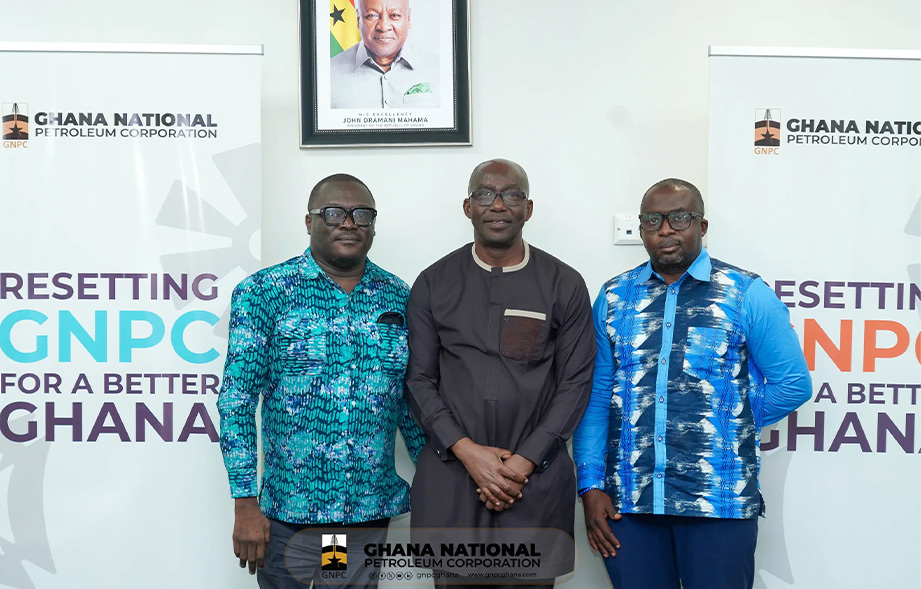
GNPC Chief Executive Mr. Kwame Ntow Amoah reiterated this commitment during an engagement with a PIAC delegation led by its Chairman, Mr. Richard Ellimah, at Petroleum House in Tema.
Mr. Ntow Amoah acknowledged PIAC's contribution to promoting transparency and accountability in managing Ghana's petroleum resources and underscored the value of maintaining a constructive relationship between the Corporation and the Committee.
He assured the delegation of GNPC's continued cooperation in providing timely, reliable information to support PIAC's work and encouraged direct engagement with the Corporation's leadership on matters requiring technical clarification or strategic attention.
The discussions also explored opportunities to strengthen PIAC's technical capacity as the Committee prepares for a transition to new membership and leadership in November 2026.
Mr. Ntow Amoah expressed GNPC's readiness to support orientation and other capacity-building initiatives to help incoming members better understand Ghana's petroleum industry and the technical issues relevant to their oversight responsibilities.
Mr. Ellimah commended GNPC for the quality of technical data and information it provides to the Committee, noting its importance in preparing PIAC's statutory reports.
He also expressed appreciation for the Corporation's support towards PIAC's technical and consultative workshop on Ghana's gas economy, held in September 2026, and emphasised the need to sustain cooperation among institutions operating within Ghana's petroleum sector.
For GNPC, maintaining an effective working relationship with PIAC is part of its responsibility as Ghana's national oil company, supporting independent oversight and informed public accountability in managing the country's petroleum resources.